
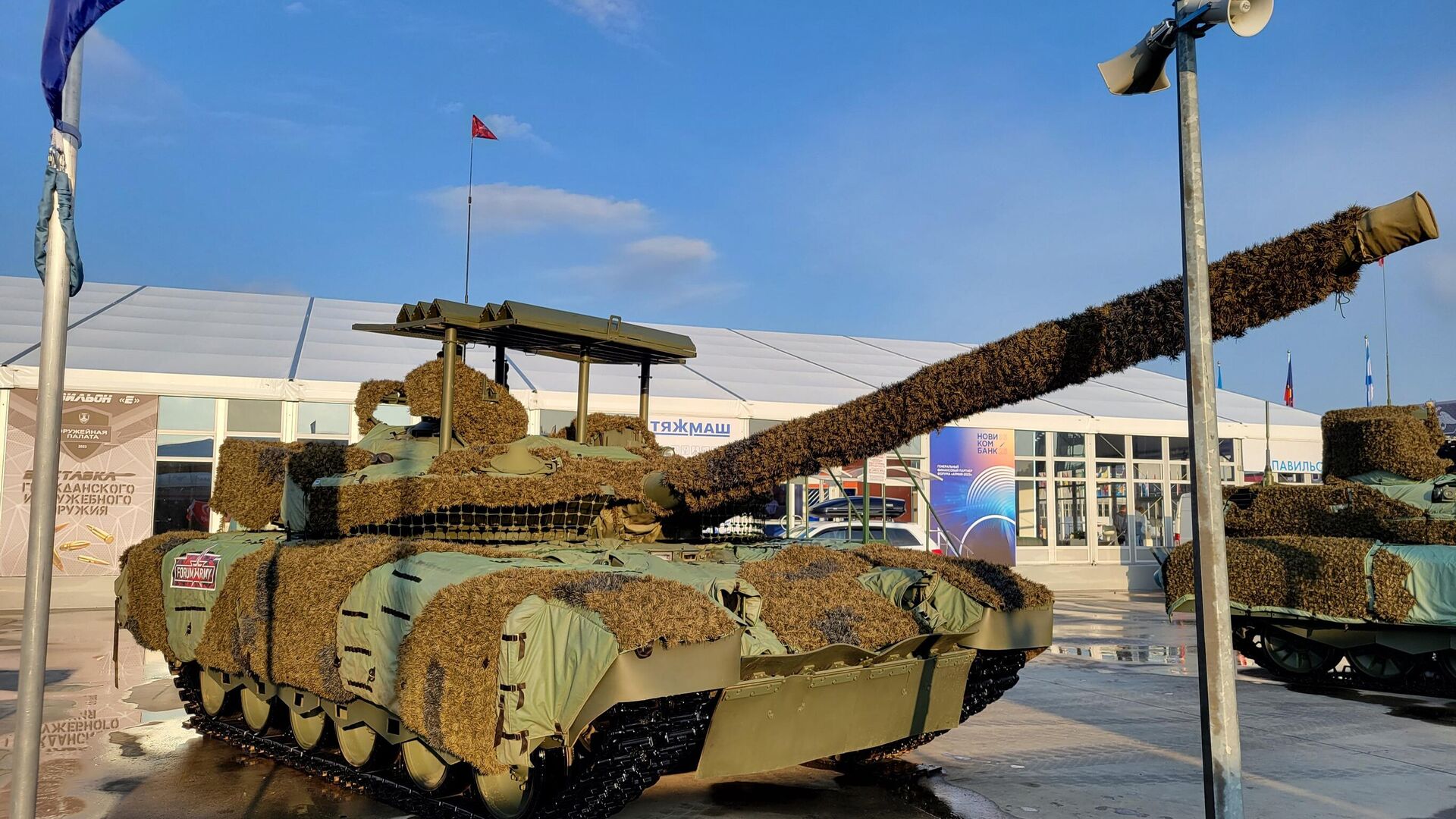
The July 22 assault saw Russian units from the 8th and 41st Armies and the 90th Guards Tank Division attempt to push toward Shakhove. According to Polish analyst Jarosław Wolski, the Russians deployed two columns from Vozdvyzhenka and Novoekonomichne, supported by electronic jamming and artillery. Despite the technical sophistication of the Arena-M system, which uses sensors to intercept incoming munitions, the sheer density of Ukrainian drone operations rendered it insufficient.
Ukrainian veteran Dmytro Putiata noted that while a single Arena-M equipped tank managed to destroy seven FPV drones, it ultimately required 15 to 20 drones to achieve a kill. Russian military observers acknowledged this deficiency, noting that the system is effectively outdated by the current intensity of the conflict. Because the system has a limited stock of defensive ammunition, it is quickly exhausted by the relentless nature of modern drone swarms, leaving the tank vulnerable once the countermeasures are depleted.
Meanwhile, the tactical situation in the Donbas continues to shift. The town of Rodynske has definitively fallen after a year of intense combat, as reported by OSINT analyst Playfra. This loss complicates the defense of Pokrovsk, providing Russian forces with a stronger foothold as they attempt to push toward Dobropillia. The front remains characterized by this cycle of innovation and exhaustion, where technological upgrades are consistently outpaced by the sheer volume of attrition on the battlefield.
Comments (0)
No comments yet. Be the first!