
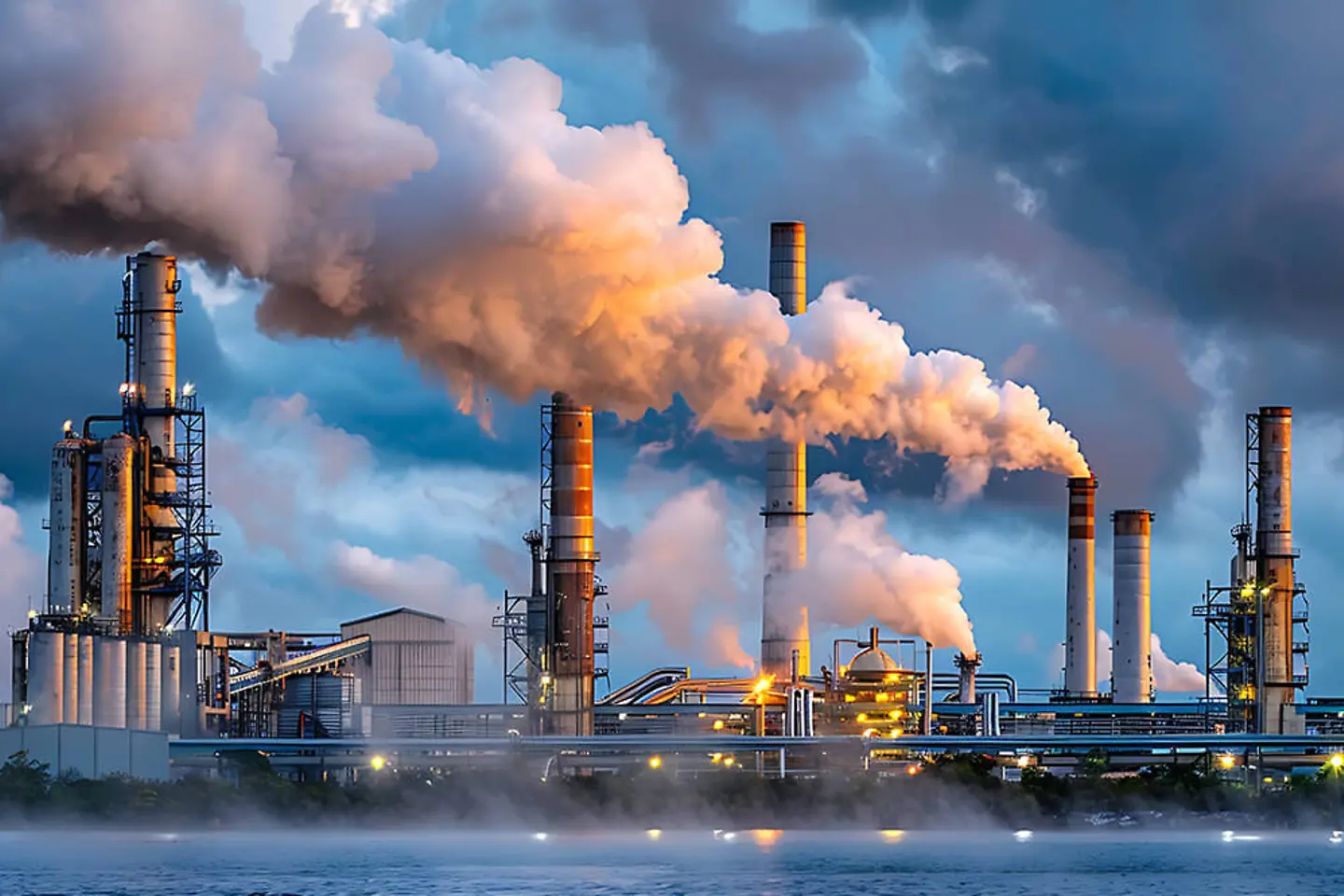
Residual emissions represent the greenhouse gases that persist due to technical, economic, or social constraints. Currently, these gross emissions in the EU hover around 411 MtCO₂e, with agriculture, industry, and aviation serving as the primary contributors. Without a rigorous, evolving definition, sectors may prematurely label their output as unavoidable, potentially locking the bloc into a costly and inefficient path toward net zero.
A robust strategy must move beyond static categorization. Policymakers need to implement a continuous mapping process that accounts for technological progress and shifting societal expectations. Rather than allowing the market to dictate what qualifies as residual, the EU must adopt a bottom-up sectoral assessment, ensuring no industry assumes immunity from reduction mandates. This framework must distinguish between 'hard-to-abate' sectors of today and the true residual emissions of tomorrow.
Counterbalancing these emissions requires a dual-pillar approach: scaling natural land sinks while developing a separate, high-permanence framework for carbon removals. These mechanisms must operate under the 'like-for-like' principle, ensuring that storage longevity matches the nature of the emissions. Ultimately, the EU’s ability to define these boundaries will serve as a litmus test for its climate leadership, determining whether its net-zero goal remains a credible policy or becomes a loophole for delayed action.
Comments (0)
No comments yet. Be the first!