
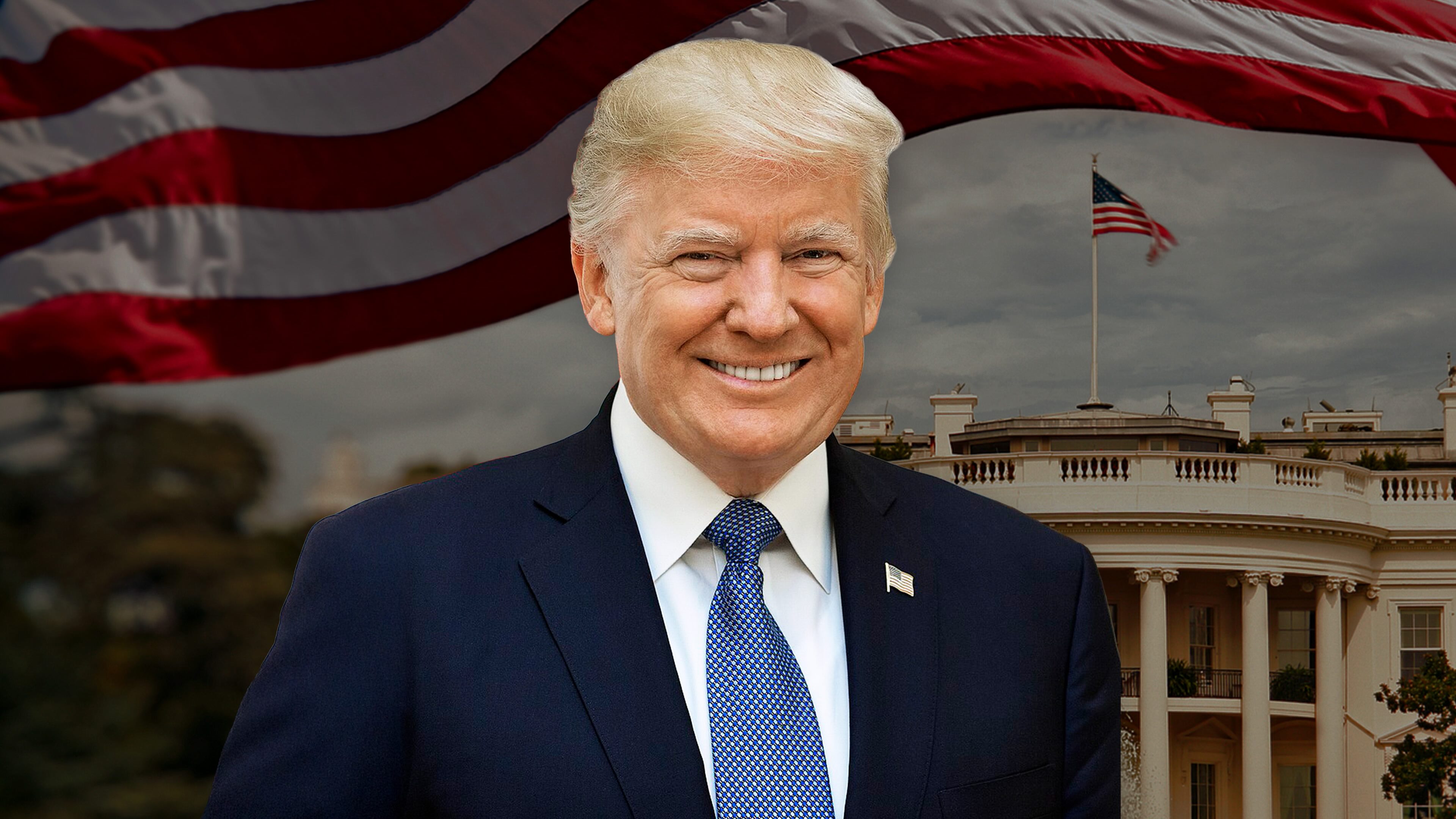
The prospect of military intervention has intensified following reports that the Pentagon is positioning for action should the president issue an order. Trump, who has previously claimed he could take the island at will, recently remarked that he might turn his attention to Cuba following the ongoing conflict in Iran. This rhetoric has drawn sharp criticism from observers who compare the current stance to 19th-century imperialist ambitions.
David Adler, co-general coordinator of Progressive International, described the situation as an urgent threat, accusing the administration of escalating tensions to satisfy political interests in Miami. In response to the growing pressure, Cuban President Miguel Díaz-Canel stated on NBC News that his nation is prepared for a struggle, emphasizing that they will defend their sovereignty regardless of the cost. The island remains under heavy economic strain due to long-standing US sanctions, which Trump tightened during his previous term and has continued to escalate since returning to office.
Legislative efforts to curb these potential actions have gained little traction. Last month, Senators Tim Kaine, Adam Schiff, and Ruben Gallego introduced a war powers resolution intended to mandate congressional authorization for any military strike. Despite these attempts, previous resolutions aimed at checking presidential authority in foreign conflicts have consistently failed to pass. The administration’s recent designation of Cuba as a state sponsor of terrorism further complicates the diplomatic landscape, drawing condemnation from critics who argue the move is disconnected from reality.
Comments (0)
No comments yet. Be the first!