
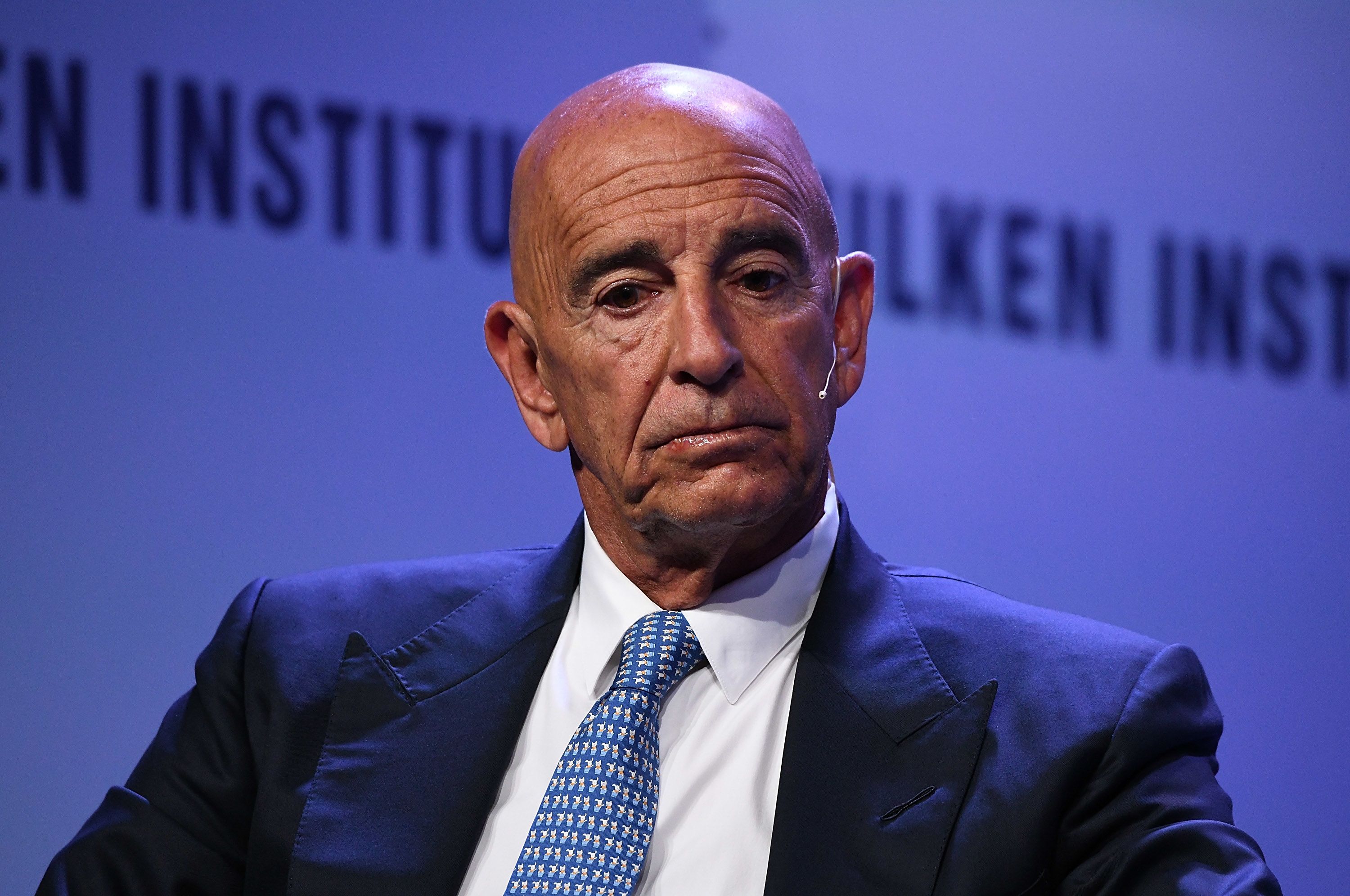
During a Friday interview with podcaster Mario Nawfal, Barrack stated that Israel occupies the Golan Heights in defiance of United Nations resolutions and international law. This assertion directly clashed with the official U.S. policy established by Donald Trump in 2019, which recognized Israeli sovereignty over the territory captured during the 1967 Six-Day War. Barrack further suggested that recent Israeli airstrikes in Syria could be interpreted as a provocation against Türkiye.
The reaction from the GOP was swift and scathing. Senator Rick Scott publicly rebuked the ambassador, reminding him that his role is to implement the president's agenda rather than challenge it. Far-right commentator Laura Loomer joined the chorus, labeling the diplomat's remarks as evidence of a profound misunderstanding of American foreign policy. Israeli Foreign Minister Gideon Sa'ar also weighed in, dismissing the comments as factually inaccurate.
By Sunday, Barrack had reversed his position, confirming to the Associated Press that the administration's stance on the region remains unchanged. While the political establishment focused on his firing, some analysts pointed out the irony of the situation: Barrack’s original statement merely echoed the long-standing legal consensus maintained by the United Nations, which has rejected the 1981 annexation since its inception. The incident highlights the volatile intersection of diplomatic protocol and the rigid political expectations surrounding U.S. policy in the Middle East.
Comments (0)
No comments yet. Be the first!