
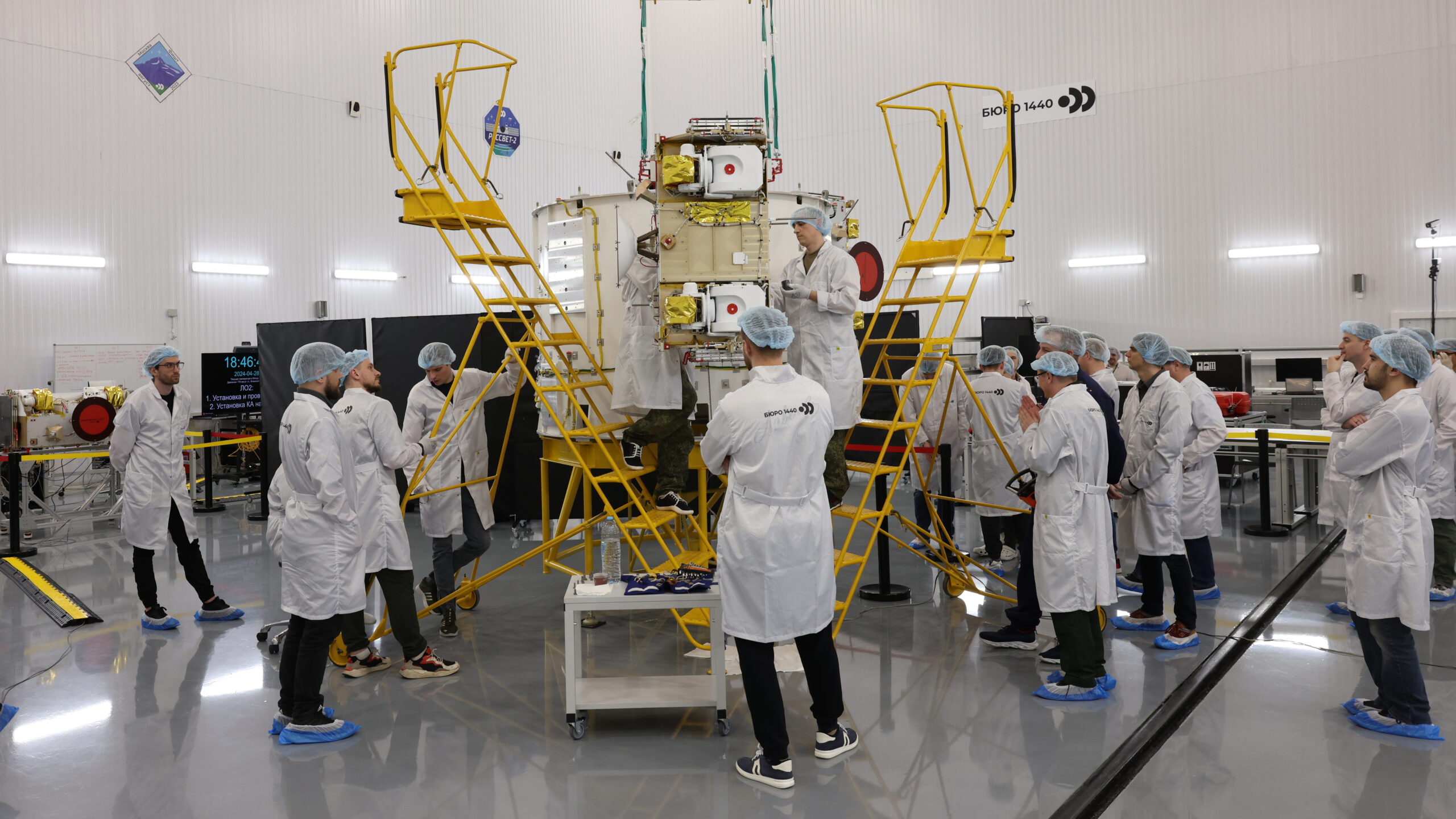
The failure of the Rassvet-3 constellation marks a significant setback for Moscow’s ambitions to achieve strategic independence in space-based internet. Expert analysis, including data from astronomer Jonathan McDowell and specialist Anatoly Zak, confirms that satellites from July’s launch are failing to stabilize, with many stuck below 390 kilometers. The Byuro-1440 design bureau, responsible for the project, is reportedly grappling with these technical hurdles while the Russian military faces a restricted operational capacity for its space-dependent infrastructure.
While Russia continues to promote the system as a potential answer to Starlink, the reality of the deployment suggests a fragmented future. Even if the satellites were fully operational, their lower orbital altitude compared to the original design limits the coverage area per unit, requiring a significantly larger fleet than currently planned. With only 900 satellites projected by 2035—a fraction of the more than 10,000 Starlink units currently active—the Kremlin’s goal of matching Western internet capabilities remains distant. The systemic malfunctions, coupled with reports of Russian military channels openly acknowledging these hardware struggles, underscore the widening gap between the project's strategic promises and its technical execution.
Comments (0)
No comments yet. Be the first!