
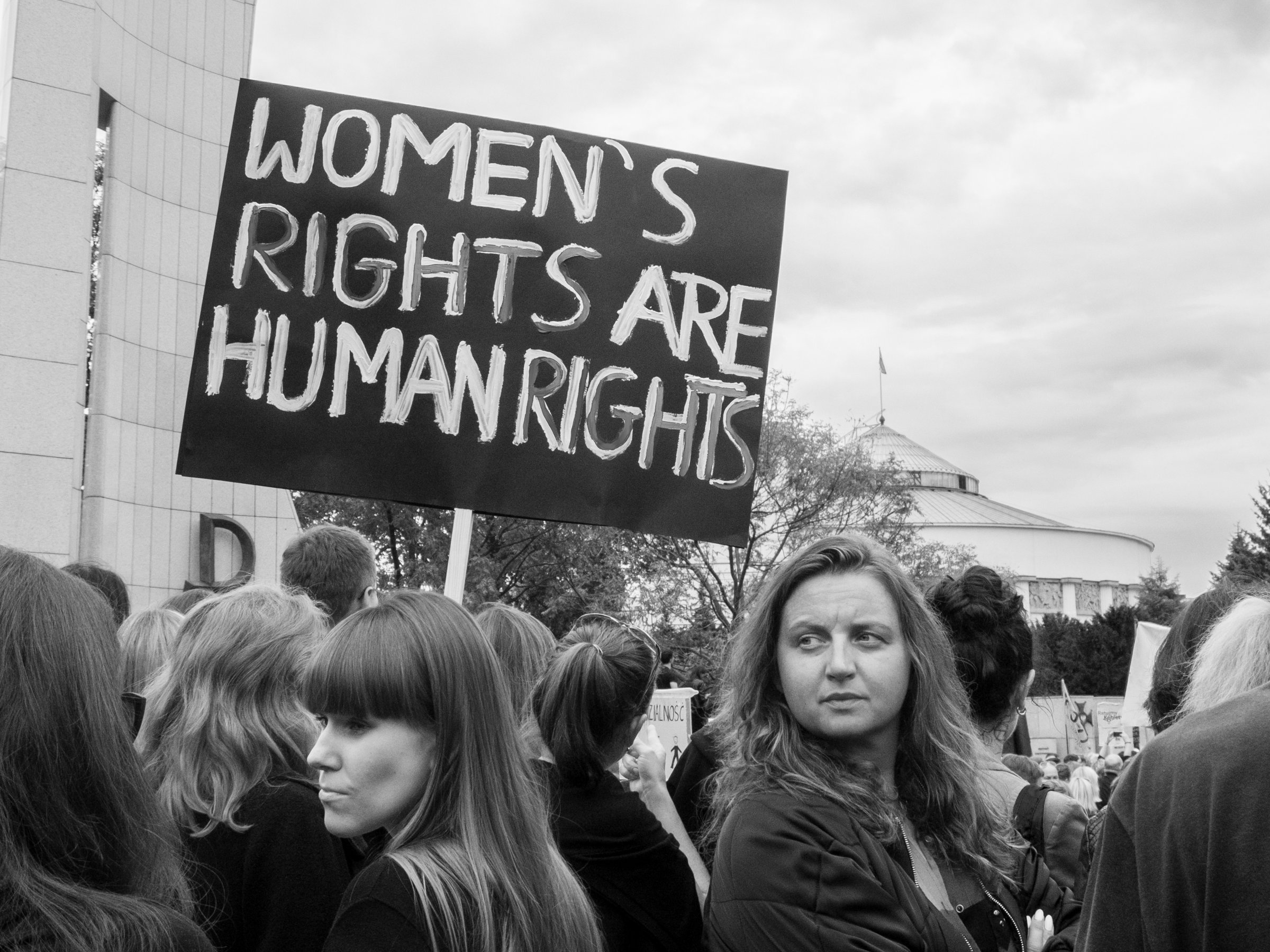
In Italy, the discourse has moved from ideological conservatism to direct legislative challenges. Roberto Vannacci, a prominent figure in the Futuro Nazionale party, has publicly campaigned to strike femicide from the criminal code, arguing that gender-specific protections undermine legal equality. This stance contrasts sharply with domestic crime statistics: while national murder rates in Italy dropped by 15 percent this year, homicides targeting women by partners or ex-partners remained stagnant. Meanwhile, Prime Minister Giorgia Meloni navigates this landscape by balancing her image as a mother against her administration's actions, such as allowing anti-abortion activists into public health clinics—a move critics describe as a calculated effort to exert psychological pressure on patients.
Elsewhere, the strategy shifts toward institutional friction. In Germany, the AfD seeks to overhaul mandatory pre-abortion counseling in Saxony-Anhalt to prioritize pregnancy continuation, while in Finland, the Finns Party actively blocks workplace reforms aimed at supporting mothers returning to their careers. These efforts reflect a broader continental trend where parties manipulate feminist language to advance nationalist agendas. In France, Marine Le Pen’s Rassemblement National advocates for fining women who wear the Islamic veil in public. Described by researcher Sara R. Farris as "femonationalism," this tactic weaponizes women’s rights to justify discriminatory policies against minority populations, transforming protection into a tool for social exclusion.
Comments (0)
No comments yet. Be the first!