
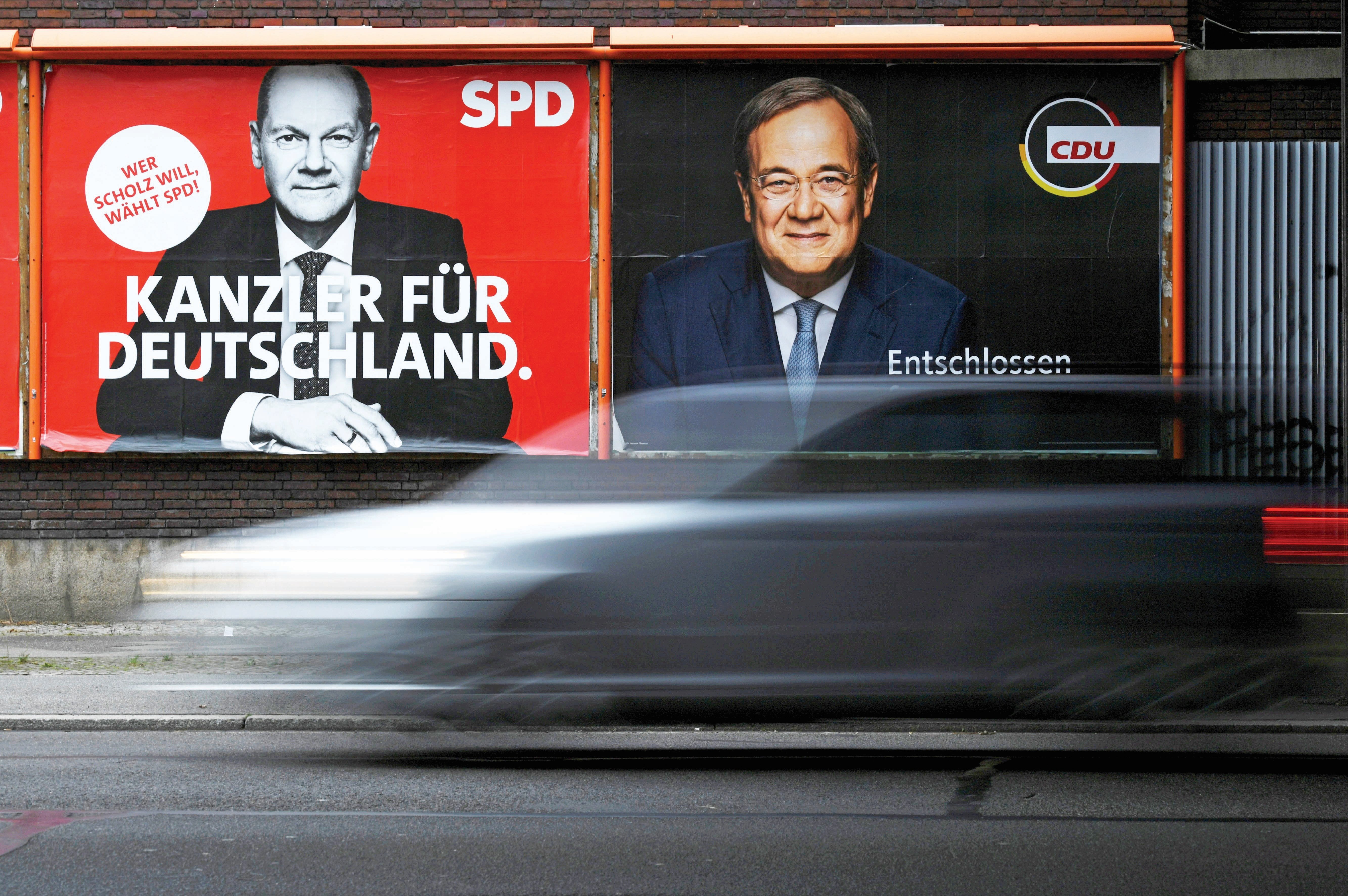
Because Berlin functions as both a city and a federal state, the distinction between municipal and regional voting rights carries heavy weight. EU law guarantees participation in local government, but Germany reserves state-level ballots exclusively for its own citizens. Consequently, residents can influence school maintenance or local park funding but have no say in major city-wide policies, such as the development of Tempelhofer Feld or the shaping of the school curriculum. This creates a strange disparity where an EU citizen in post-Brexit Britain may currently enjoy more political representation in regional assemblies than one living within the bloc.
This democratic deficit persists despite the EU’s stated commitment to freedom of movement. For millions who live, work, and raise families outside their home countries, the 1992 Maastricht Treaty framework now feels increasingly parochial. While EU citizens help elect representatives for the European Parliament and local councils, they remain excluded from the regional and national decisions that most directly impact their daily lives. For those who have fully embraced European integration by moving abroad, this lack of political agency serves as a persistent reminder that their status as residents does not equate to full civic membership.
Comments (0)
No comments yet. Be the first!