
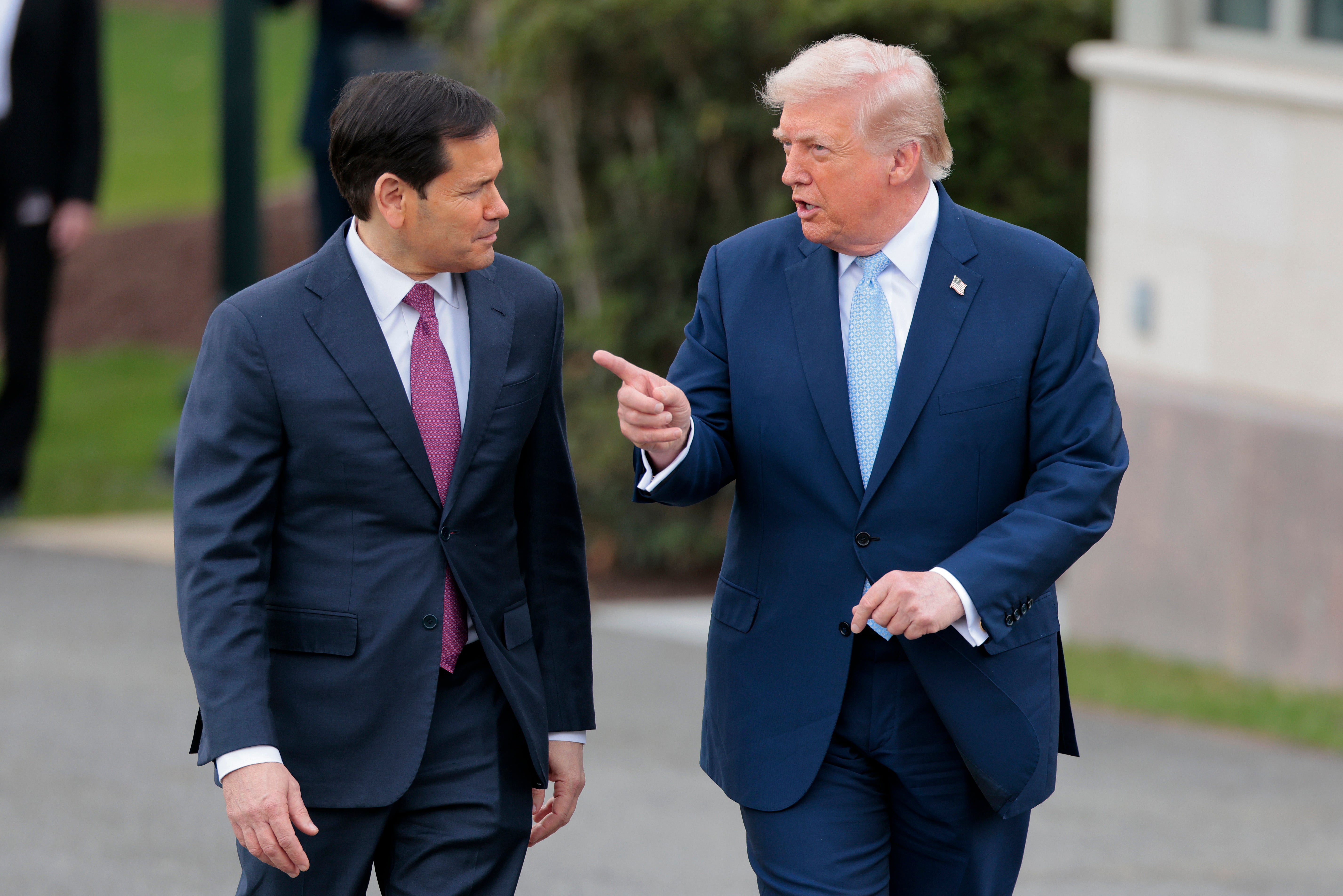
Brazil’s intelligence services recently confirmed external interference from both the United States and Russia in the lead-up to the first round of voting. Incumbent President Luiz Inácio Lula da Silva faces a challenge from Senator Flávio Bolsonaro, the son of former leader Jair Bolsonaro, who is currently under house arrest following a 2022 coup attempt. Critics argue that a recent Oval Office meeting between Flávio Bolsonaro and Trump signals an overt attempt by the administration to tip the scales in favor of the Bolsonaro camp.
In a letter to the State Department, Senators Jeanne Shaheen, Peter Welch, and Tim Kaine accused Washington of engaging in a broader pattern of interference throughout Trump’s second term. This pressure follows a demand from over 30 House Democrats requiring the administration to commit to recognizing the official certified results by October 1. The legislative push references the historical shadow of the 1964 military coup, urging the administration to uphold the democratic stability of the region rather than pursuing what some analysts term a regime change operation.
Tensions have escalated beyond diplomatic correspondence. Last year, the administration imposed a 40% tariff on Brazil, a move analysts suggest was intended to punish the current government for the prosecution of the elder Bolsonaro. Furthermore, Brazil denied entry to two State Department officials over the summer, citing concerns that their mission was designed to undermine confidence in the national electoral system. Mark Weisbrot of the Center for Economic and Policy Research warns that these interventions violate the Charter of the Organization of American States, framing the election as a critical test for regional self-determination.
Comments (0)
No comments yet. Be the first!