
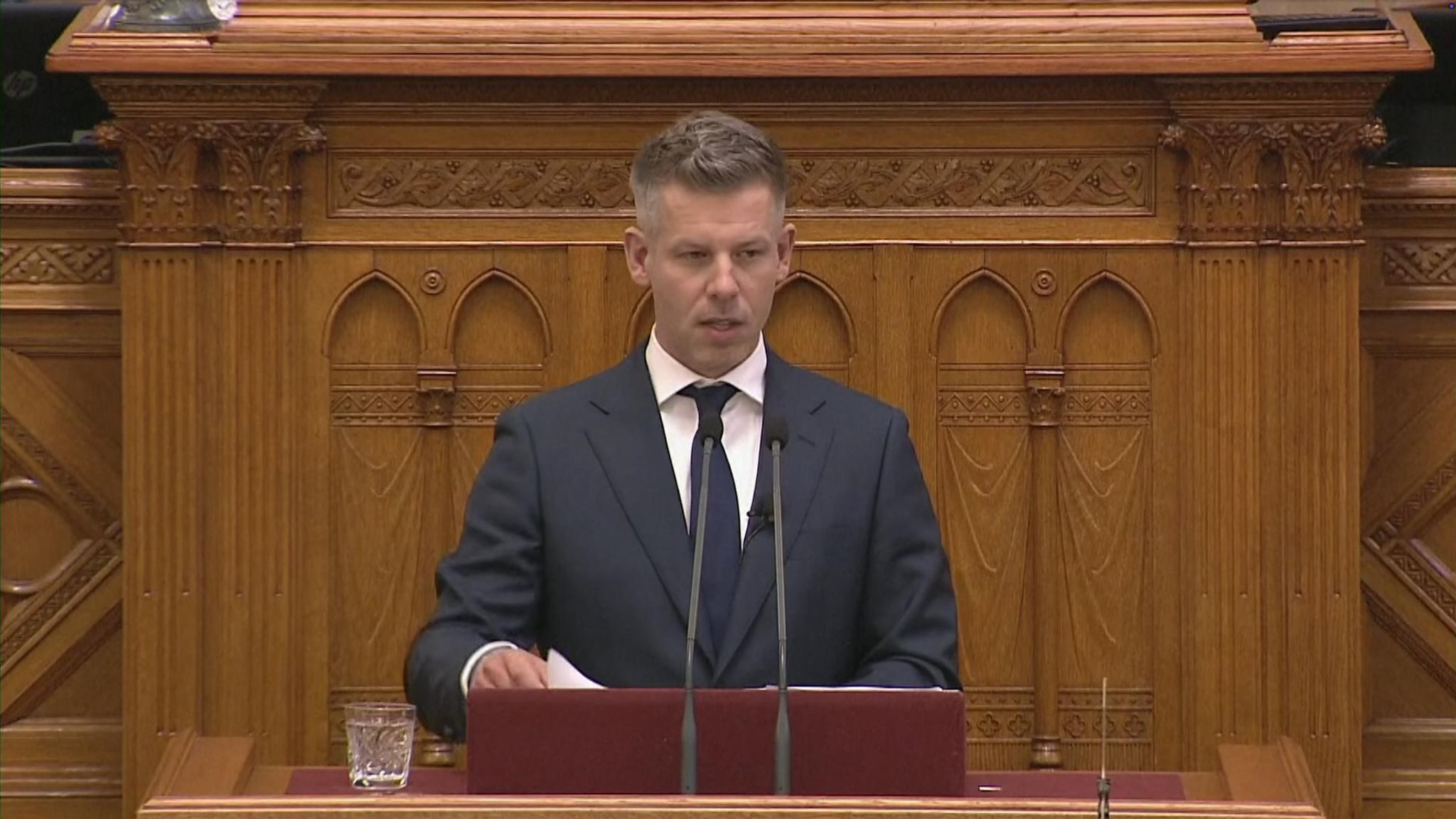
While supporters of the new Tisza government hoped for a clean break from the Viktor Orbán era, the C8 incident reveals that domestic political pressures continue to dictate Budapest’s regional stance. By publicly denouncing his country’s inclusion in the alliance as a violation of sovereignty, Magyar signaled that the strategic pivot away from Moscow faces significant internal resistance. Fidesz politicians have actively attacked recent energy cooperation deals between MOL and Naftogaz, forcing the government to adopt a confrontational tone to avoid appearing weak on national interests.
This friction undermines the optimism surrounding the June agreement, where both nations pledged to resolve long-standing disputes over minority rights in Transcarpathia. Although Anita Orbán has signaled a move away from the previous administration's isolationist alignment, analysts note that the current government is effectively pandering to a domestic anti-Ukraine constituency. With the Czech government largely ignoring the C8 initiative and Slovakia sending lower-level representation, the summit in Bukovel highlighted the fragile state of regional cooperation. As Foreign Minister Sybiha noted, the persistence of these obstructionist tactics suggests that the shadow of the previous administration lingers, complicating Ukraine’s integration efforts and regional security.
Comments (0)
No comments yet. Be the first!