
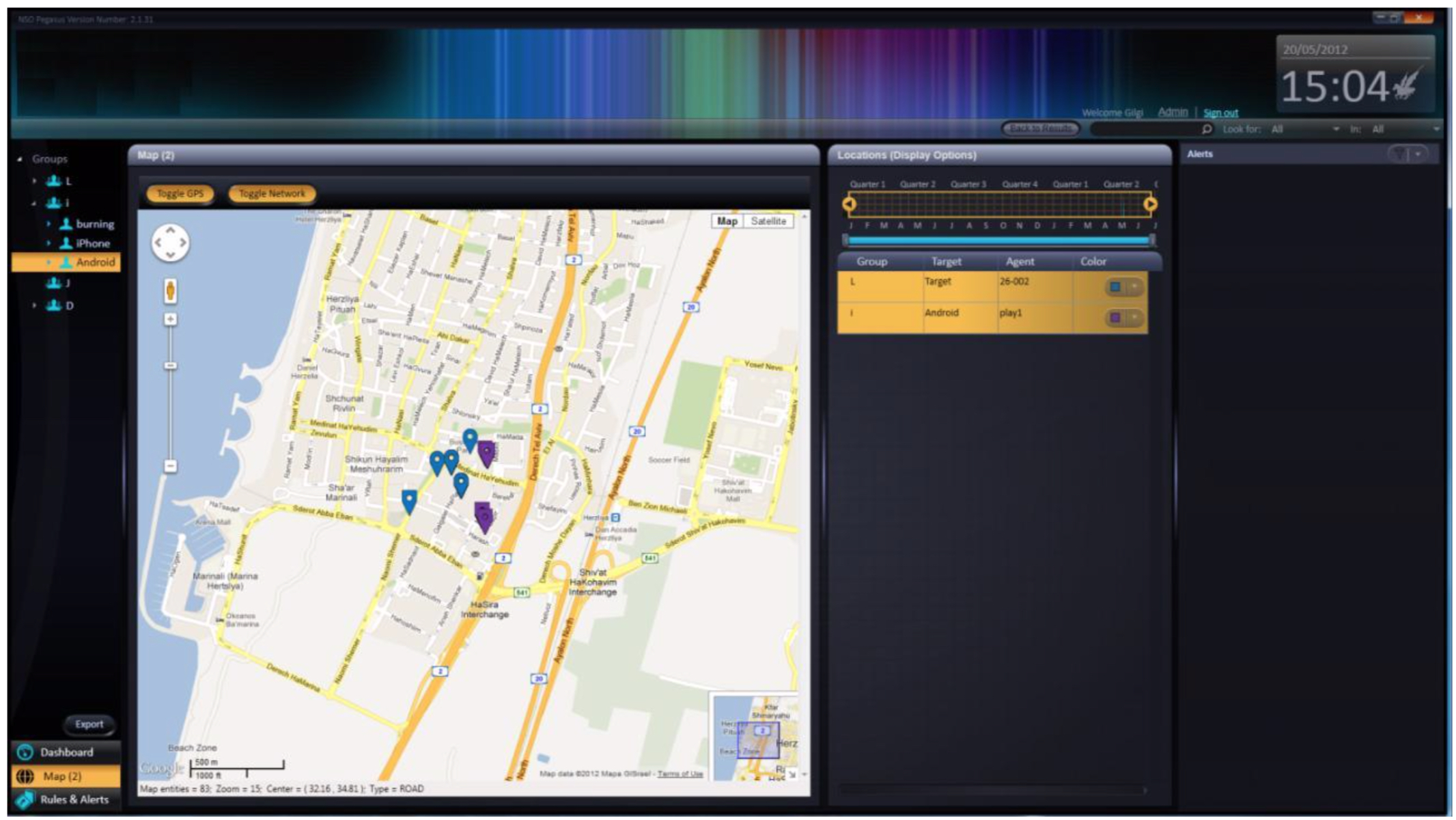
The report, "We Start With the Verdict," details an ecosystem encompassing Pegasus spyware, location tracking, and coordinated smear campaigns. A former Moroccan intelligence officer, identified as "Safir," confirmed that Sahrawi and Riffian activists are designated as priority intelligence targets. Forensic evidence suggests these operations reach European soil, challenging the long-standing security partnerships between Morocco and Western powers.
For years, Western governments have prioritized intelligence sharing and migration control in their dealings with Rabat. This reliance creates a dangerous blind spot. While democratic nations frequently champion a rules-based international order, their security cooperation often lacks the oversight necessary to prevent the abuse of surveillance technology against peaceful human rights defenders. When private data harvested from activists surfaces in state-aligned media, the line between legitimate security and political repression dissolves.
Europe’s struggle to reconcile its democratic values with its geopolitical interests is now under scrutiny. Following allegations of corruption within the European Parliament involving foreign influence, the necessity for a critical audit of these security relationships has intensified. The Sahrawi people, having endured decades of restricted expression, are now challenging their international partners to move beyond diplomatic boilerplate. They demand a reality where their voices are not filtered through the lenses of security dossiers or geopolitical bargaining, but recognized as the fundamental human rights of those living in a contested territory.
Comments (0)
No comments yet. Be the first!