
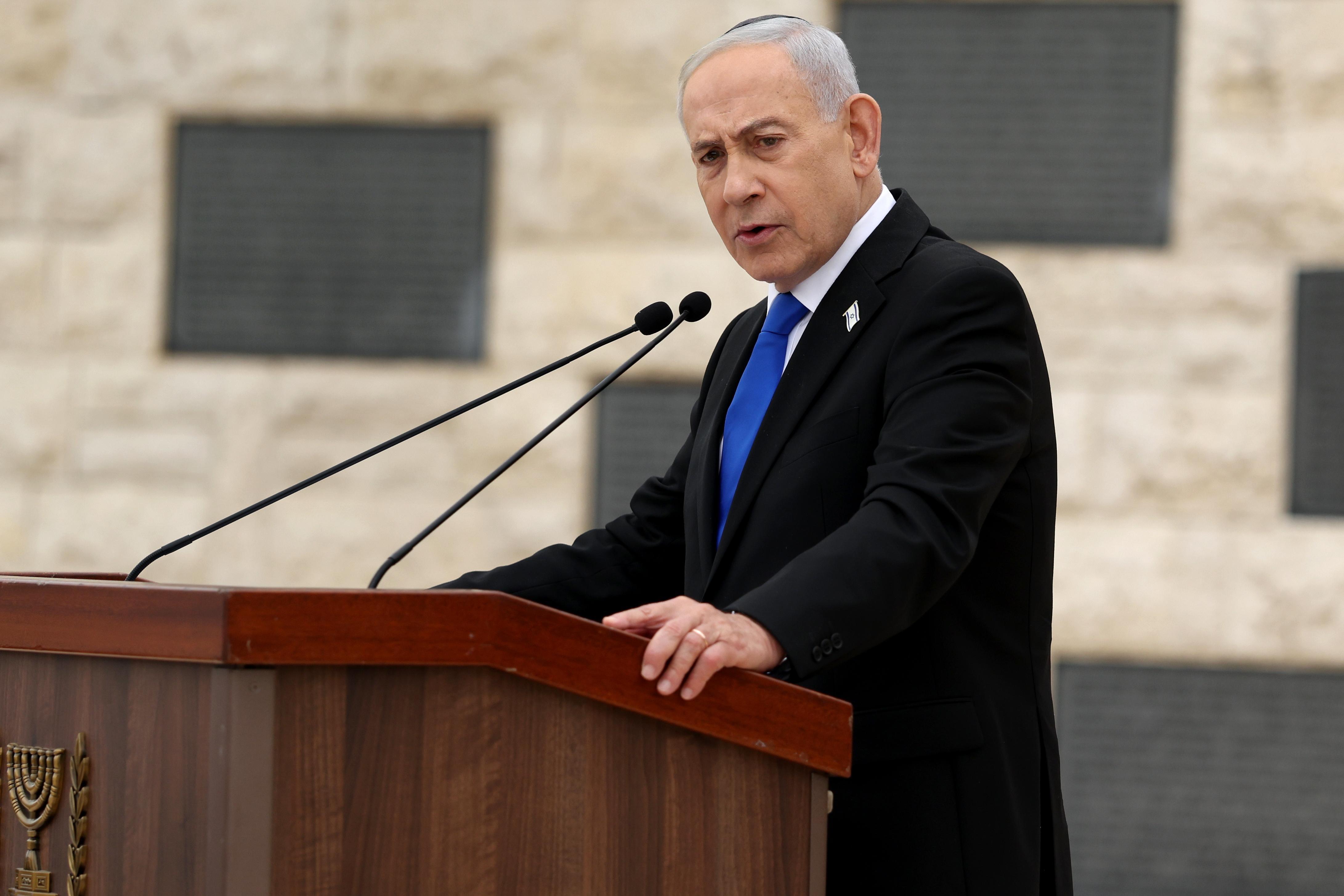
The defeat of Viktor Orbán’s Fidesz party on April 12, following 16 years of dominance, initially appeared as a simple tale of liberation. Péter Magyar’s Tisza party secured a two-thirds majority, theoretically breaking a spell that saw Hungarian institutions bend entirely around one man. However, the true challenge for post-populist nations is not merely the removal of a figurehead, but the dismantling of the political habits formed in his shadow. When a leader becomes as unavoidable as the weather, opposition movements often mirror the very centralization they claim to fight, prioritizing message discipline and singular authority over pluralism.
For younger generations who have never known a political landscape outside of these long-serving figures, restoration is not a viable goal. They cannot return to a democratic normality they never inhabited. True renewal requires a shift toward a system where power is dispersed and government remains effective without constant, consuming focus on the leader’s whims. As Israel heads toward its October 27 election, the Hungarian experience suggests that democratic health depends on building institutions that function independently of the prime minister. The ultimate test for any nation emerging from personalized rule is not replacing one protagonist with another, but fostering a public life where politics belongs to citizens rather than a single, indispensable individual.
Comments (0)
No comments yet. Be the first!