
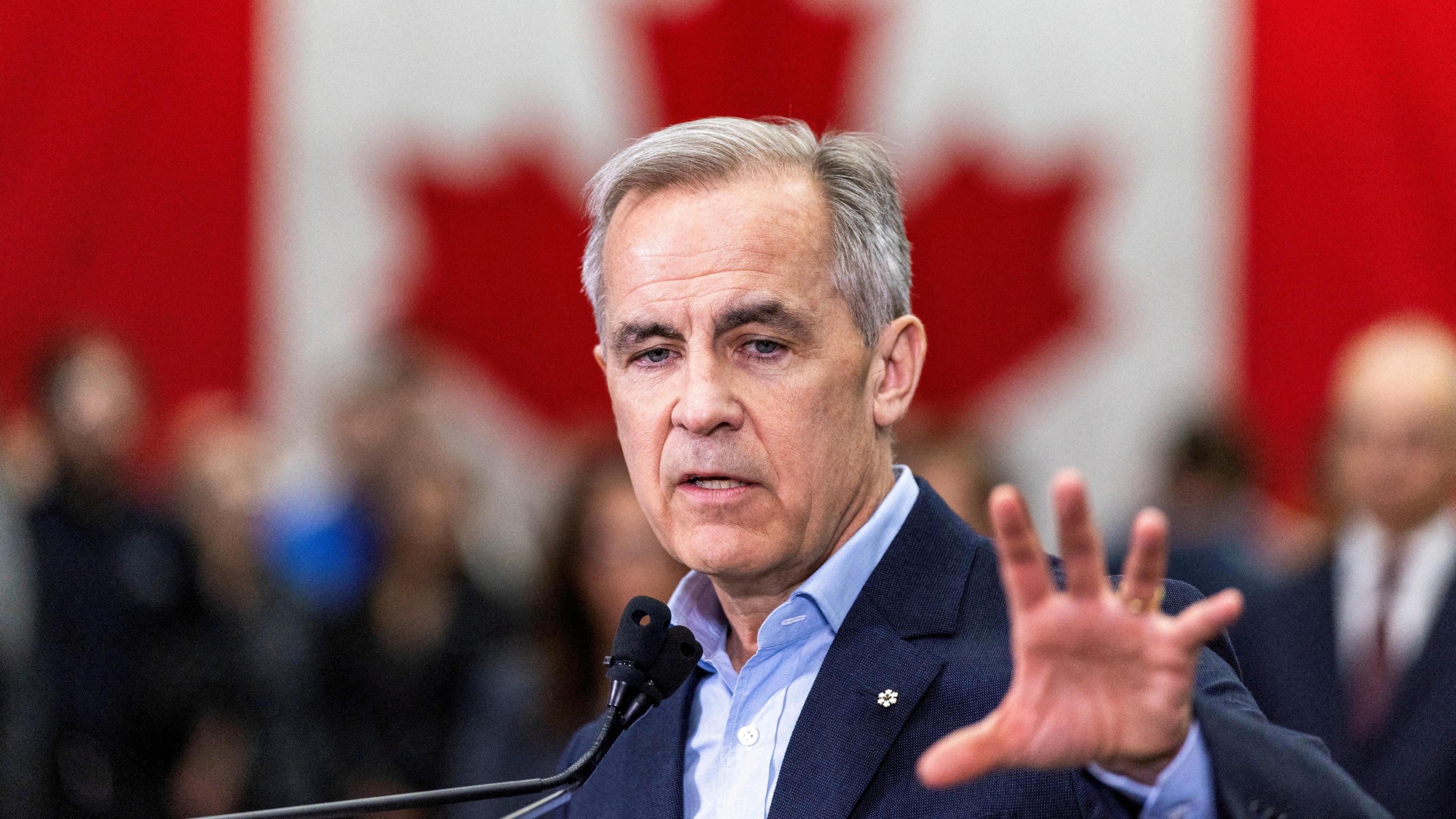
The memorandum of understanding seeks to facilitate the transport of millions of barrels of oil by potentially dismantling the Oil Tanker Moratorium Act. Heiltsuk Nation Chief Marilyn Slett vowed to use every available tool to block the project, labeling the promise of 'Indigenous co-ownership' a hollow gesture that ignores the explicit opposition of coastal nations. The backlash was immediate, with the Union of British Columbia Indian Chiefs calling the deal a high-risk sacrifice of environmental safety for political convenience.
Political fallout intensified as Minister of Canadian Culture Steven Guilbeault resigned in protest, citing the systematic dismantling of climate action plans. British Columbia Premier David Eby, who was excluded from the negotiations, dismissed the project as an 'energy vampire' lacking funding, routes, or local support. Critics, including academic Jessica Green and activist Avi Lewis, described the pivot toward fossil fuel expansion as a regression, with Lewis characterizing the agreement as the 'sellout of the century' that prioritizes outdated infrastructure over a clean energy economy.
Comments (0)
No comments yet. Be the first!