
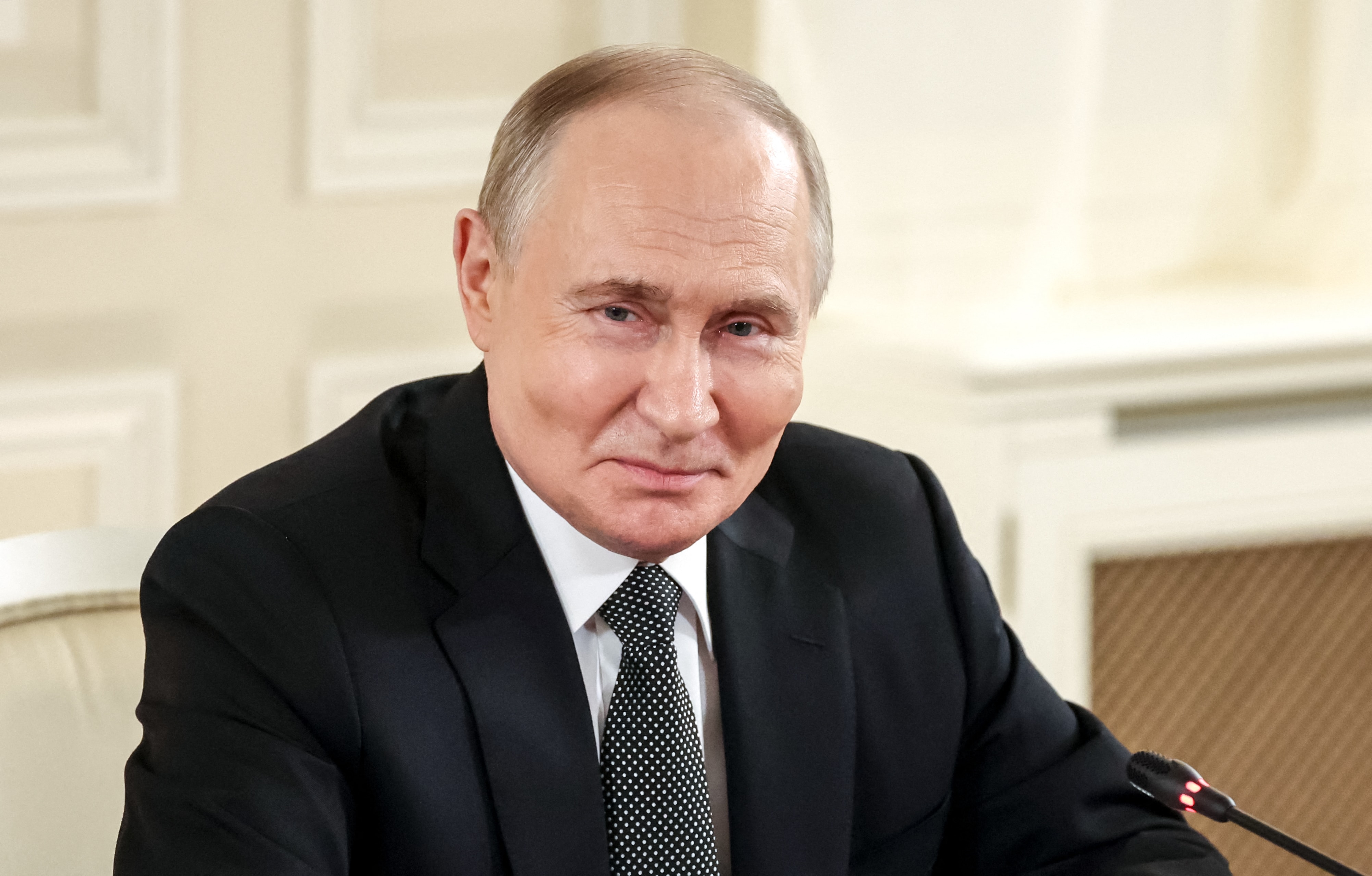
War is typically a rational tool used to secure borders or protect interests. However, the 2022 invasion of Ukraine lacked the clear political crisis that usually precedes such campaigns. Research from the Institute for the Study of War and the Royal United Services Institute shows that despite diminishing returns and limited military gains from missile strikes, the conflict persists. The function of this war lies not in traditional geopolitics, but in the psychological vulnerabilities of an authoritarian leader.
Hannah Arendt argued that when power concentrates in one person, politics becomes a monological extension of their own persona. Erich Fromm further suggested that in such regimes, aggression functions as a compensatory response to a fear of losing control. For Putin, the sovereignty of neighbors like Ukraine, Georgia, and Moldova is not a diplomatic issue; it is a direct challenge to his authority. By framing Russia as a besieged fortress, the Kremlin creates a self-reinforcing cycle where the perceived threat justifies aggression, and that aggression validates the existence of the threat.
The trap of an alternative reality
The regime protects this worldview by systematically undermining objective truth, as seen in the shifting narratives following the 2022 Bucha massacre. By redefining language—calling occupation liberation and coercion necessity—the Kremlin induces domestic apathy and global uncertainty. Having constructed this alternative reality, Putin is now trapped by it. Peace would dismantle the myth of an existential threat, which serves as the primary pillar of his legitimacy. Western diplomacy must stop treating these demands as rational security claims and instead recognize that for the Kremlin, the conflict is not about the state's security, but about the political survival of its leadership.
Comments (0)
No comments yet. Be the first!