
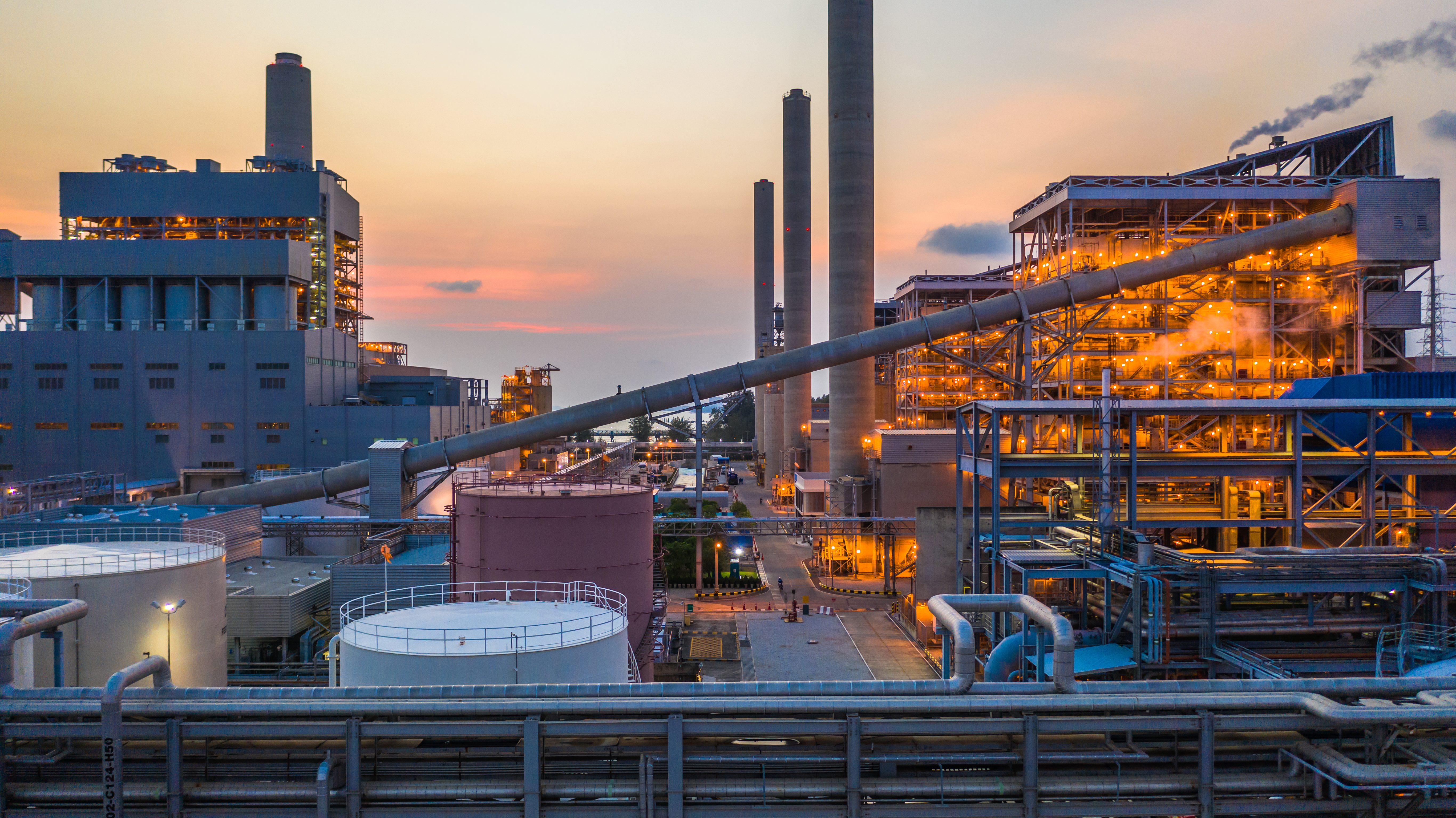
The Carbon Border Adjustment Mechanism (CBAM), active since December, mandates that importers pay a carbon price matching the fees levied on European producers under the EU Emissions Trading System. EU officials maintain the policy complies with World Trade Organization rules, asserting it creates a level playing field. However, nations including India, China, and South Africa warn that the tax will significantly inflate production costs for their domestic steel and aluminium industries.
Beyond trade friction, the bloc has challenged the financial architecture of the levy. EU projections suggest the tax will generate €10 billion annually by 2030, with proceeds earmarked for the bloc’s own budget. BRICS representatives argue this redirects critical capital away from developing nations at a time when they face a widening financial gap for their own environmental initiatives. While China has voiced formal concerns to the WTO, no official complaint has been filed. The friction persists even as individual BRICS members, such as India and Brazil, continue to pursue separate trade agreements with Brussels.
Comments (0)
No comments yet. Be the first!