
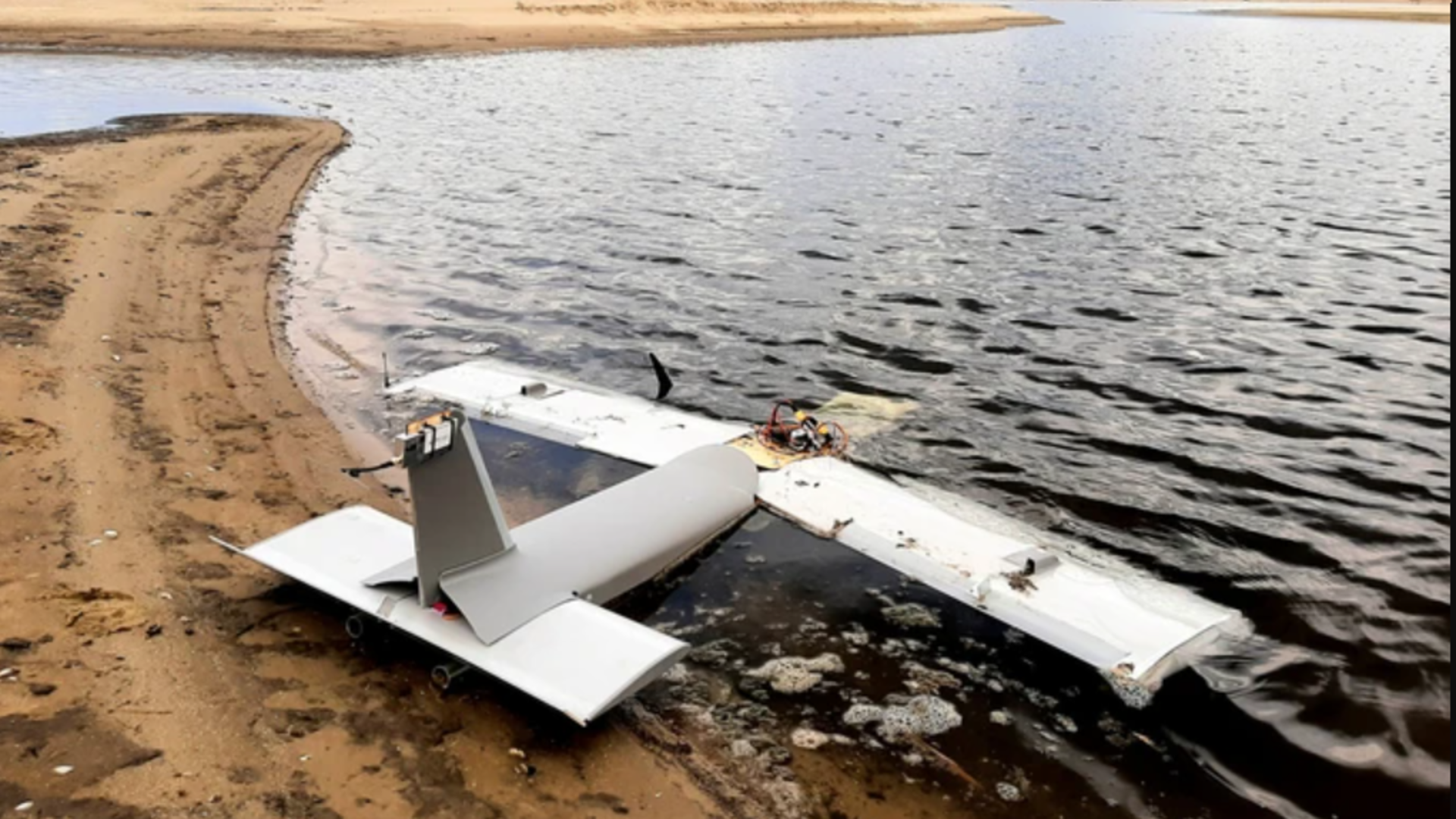
The attack occurred in early July near a petrol station in the Zaporizhzhia region. Russian forces deployed a Molniya drone equipped with an Nvidia Jetson Orin computer module, a commercially available component that allowed the aircraft to identify a propane tank as its target without direct human guidance. The drone lacked an antenna, rendering it immune to traditional electronic jamming but also untethered from operator control. Upon impact with a nearby wall, the resulting explosion claimed the lives of three civilians, including a 19-year-old student.
Ukrainian officials and military experts view this development as a dangerous precedent. Colonel Serhiy Minaiev warned that the reliance on AI for target selection risks stripping accountability from the battlefield, likening the current trajectory of autonomous weaponry to the science-fiction scenarios of the Terminator franchise. While Nvidia does not supply these modules to Russia, the hardware is easily procured through third-party intermediaries. The discovery of the unencrypted module in the wreckage has provided Ukrainian investigators with a rare window into the technical capabilities of Russia’s evolving, antenna-less arsenal.
Comments (0)
No comments yet. Be the first!