
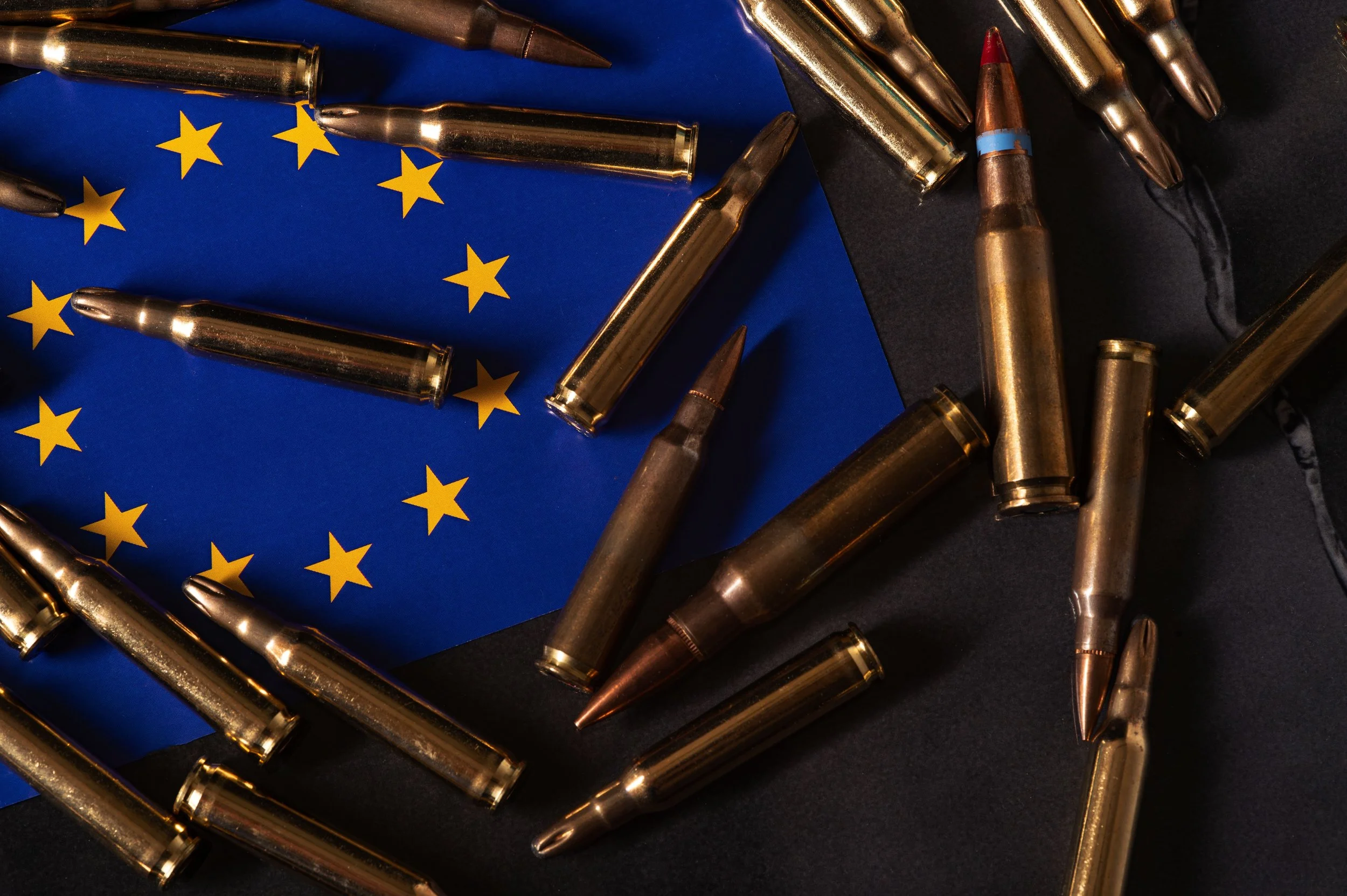
The European Commission’s ReArm Europe initiative seeks to mobilize €800 billion, including €150 billion in potential EU borrowing, to bridge critical security gaps. Despite these figures, the auditors warn that the current landscape remains defined by fragmentation and inefficiency. A primary hurdle is the persistent reliance on non-EU suppliers; in 2023, 78 percent of member state defence acquisitions were sourced abroad, predominantly from the United States. Germany’s continued preference for American Patriot systems over the Franco-Italian SAMP/T highlights the persistent friction between national purchasing habits and the goal of continental strategic autonomy.
Beyond procurement, the bloc faces a dual crisis of industrial bottlenecks and a deepening skills shortage. Auditors caution that throwing money at the problem could prove counterproductive if funds are not directed toward concrete operational capabilities. Compounding this, many member states are constrained by strict EU fiscal rules, leaving little room to maneuver despite the urgent need for rearmament. Unless the bloc successfully pivots toward a cohesive 'European preference' for equipment and manages to synchronize its disparate funding streams, the continent risks remaining perpetually dependent on external powers for its core security.
Comments (0)
No comments yet. Be the first!