
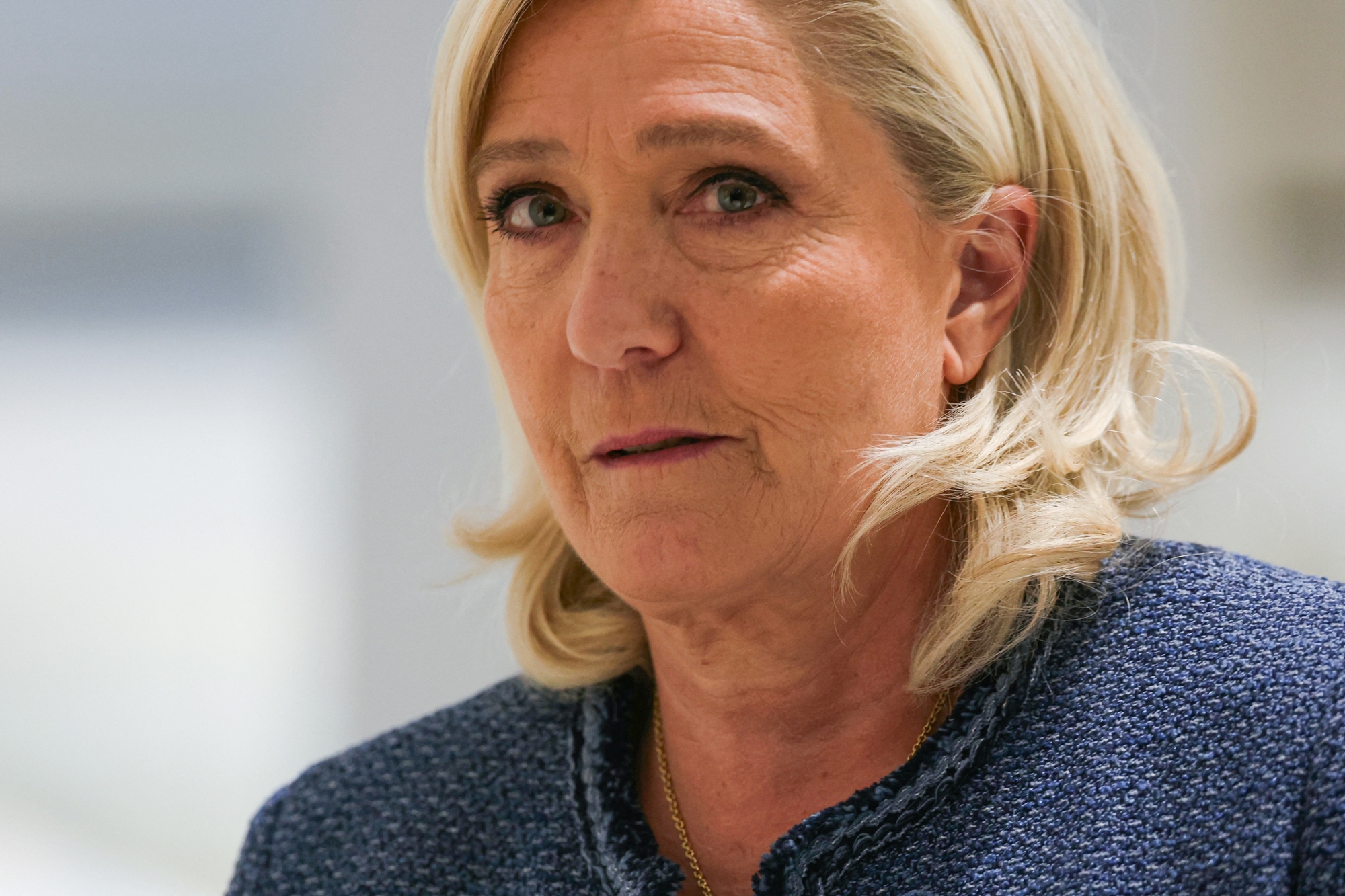
The electoral strength of both candidates stems from the exhaustion of France’s establishment parties, which have struggled to offer fresh solutions after a decade of Emmanuel Macron’s presidency. Polls consistently suggest that in a hypothetical second-round runoff, a matchup between Le Pen and Mélenchon would likely favor the far-right leader, as many voters remain unwilling to support the far-left candidate. Consequently, the center-right is scrambling to find a viable alternative, with figures like former prime minister Edouard Philippe emerging as potential bulwarks against a polarized outcome.
Le Pen’s strategy relies on a moderated public persona, drawing inspiration from Italian Prime Minister Giorgia Meloni’s ability to govern without triggering systemic collapse. By positioning herself as a pragmatic choice, she has successfully courted traditional right-wing voters who feel marginalized by current leadership. Meanwhile, Mélenchon has pivoted to a provocative strategy regarding immigration. By flipping the narrative of the grand remplacement—the theory that native populations are being supplanted—he frames demographic change as an opportunity for France rather than a threat. This approach is a calculated effort to mobilize immigrant voters, creating a direct clash with Le Pen’s calls to restrict religious symbols like headscarves in public spaces. Despite the focus on migration, Rupnik notes that economic concerns remain the primary driver for the French electorate, forcing both candidates to balance their ideological agendas against the public's demand for tangible economic stability.
Comments (0)
No comments yet. Be the first!