
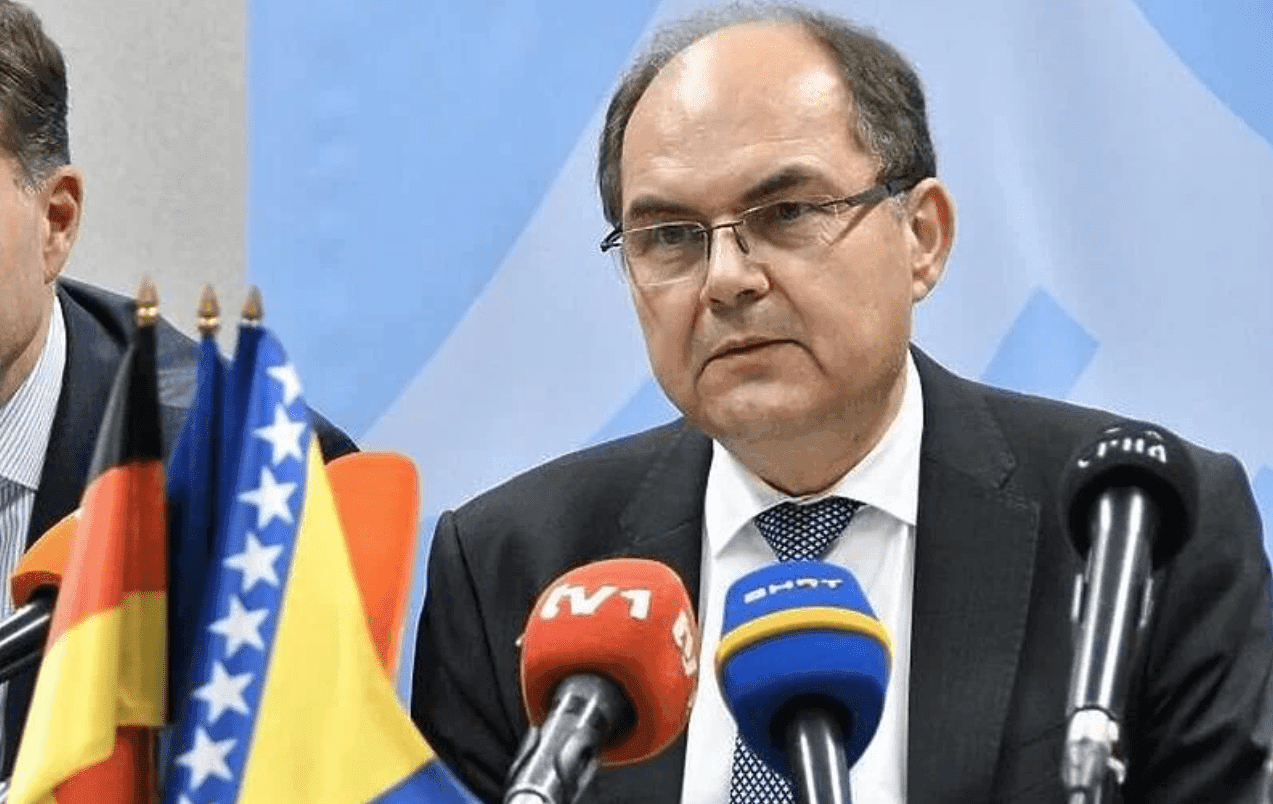
Schmidt, who served as the international envoy from 2021 to 2026, attributes this decline to weak civic engagement and the exploitation of ethnic divisions by local elites. He specifically points to the SNSD party and leader Milorad Dodik, whose reliance on nationalist rhetoric serves to undermine a unified, multi-ethnic approach to governance. According to Schmidt, political actors often prioritize ethnic identity over democratic development to maintain power, effectively stalling the nation’s integration into European structures.
Foreign influence remains a significant destabilizing factor. While Serbia and Croatia maintain relationships sanctioned by the Dayton framework, Schmidt notes that these ties have increasingly morphed into tools for political leverage. Russia, meanwhile, utilizes its rapport with the Serb Orthodox community and Banja Luka to influence Republika Srpska. Schmidt characterizes Dodik’s frequent meetings with Vladimir Putin—at least 11 since the invasion of Ukraine—as a strategic effort to obstruct Western influence. He argues that for Moscow, Bosnia functions primarily as a distraction rather than a core geopolitical asset. To reverse this trend, Schmidt suggests the European Union must move beyond financial aid and focus on actively engaging Bosnian civil society to foster a shared political identity.
Comments (0)
No comments yet. Be the first!