
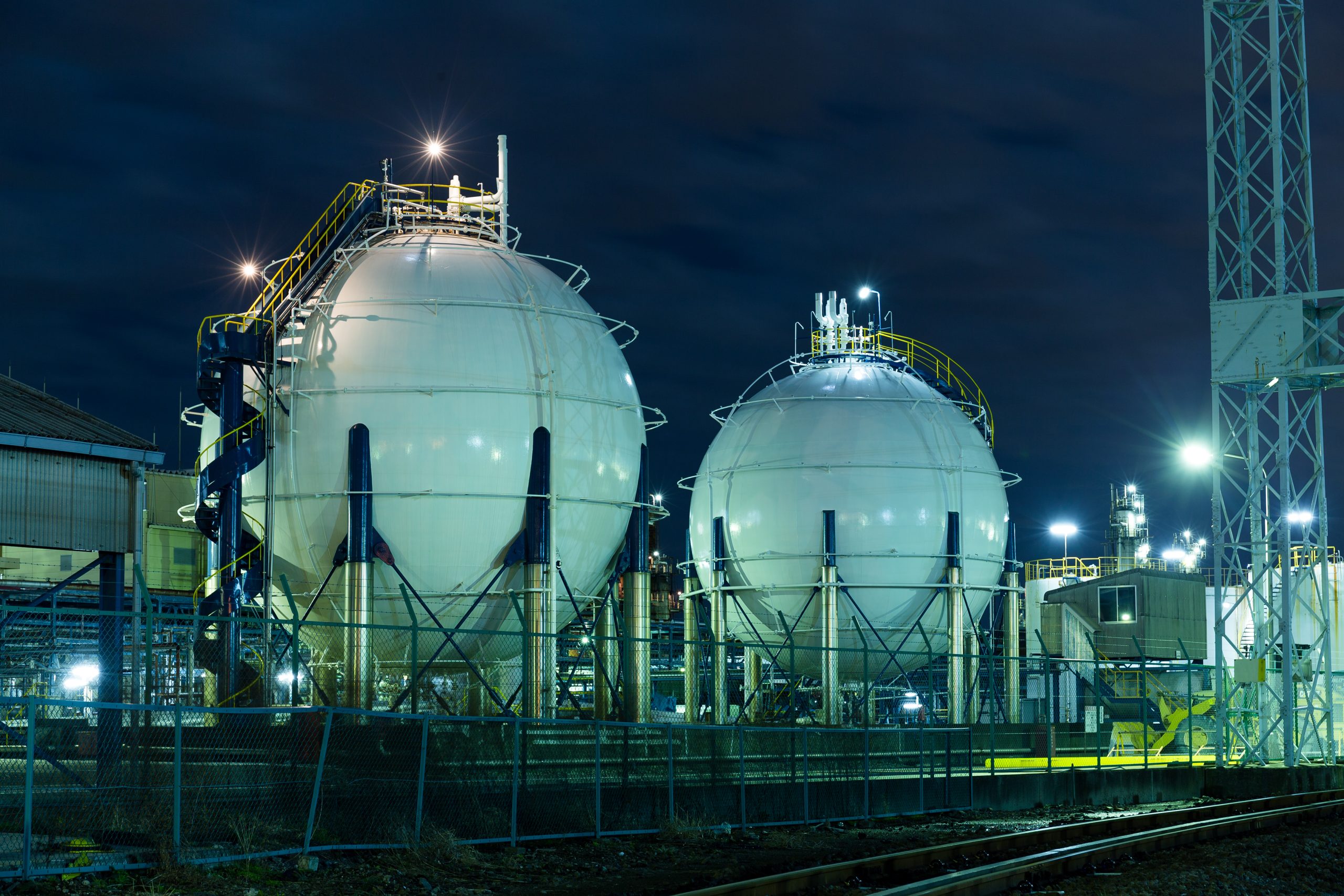
The European Commission maintains that the current gas infrastructure remains flexible enough to navigate the coming months without shortages. However, this optimism hinges on predictable weather patterns and stable global supply chains. A prolonged cold snap or unexpected market disruptions could force the region into a precarious position as it continues its transition away from Russian energy reliance.
Phasing out Russian imports remains a central challenge, with a full cessation of liquefied natural gas and pipeline deliveries scheduled for 2027. Despite the ongoing policy shift, Russian gas still accounted for roughly 12 percent of EU demand through May 2026. This dependency persists even as the bloc attempts to curb consumption, a feat successfully managed in 2022 when member states collectively reduced demand by 18 percent. Achieving similar results now will likely require a combination of favorable temperatures, increased reliance on nuclear and coal alternatives, and a sustained effort to accelerate renewable energy deployment.
Comments (0)
No comments yet. Be the first!