
The DOJ complaint hinges on a claim of voter confusion involving a retired teacher who shares the senator’s name. Despite the Alaska Supreme Court previously upholding the challenger's right to remain on the ballot, federal prosecutors argue the candidacy is designed to siphon votes from the incumbent. Rather than seeking to remove the name, the department is petitioning for a delay in certification if the margin of victory mirrors the support garnered by the second Sullivan.
Legal scholars have criticized the filing as meritless. Derek Muller, a law professor at Notre Dame, labeled the argument one of the weakest he has encountered, noting that ballots themselves serve as the definitive evidence of voter intent. Because Alaska utilizes ranked-choice voting, election experts suggest that even if voters initially selected the wrong candidate, they retain the ability to rank the senator second, neutralizing the potential for a split vote.
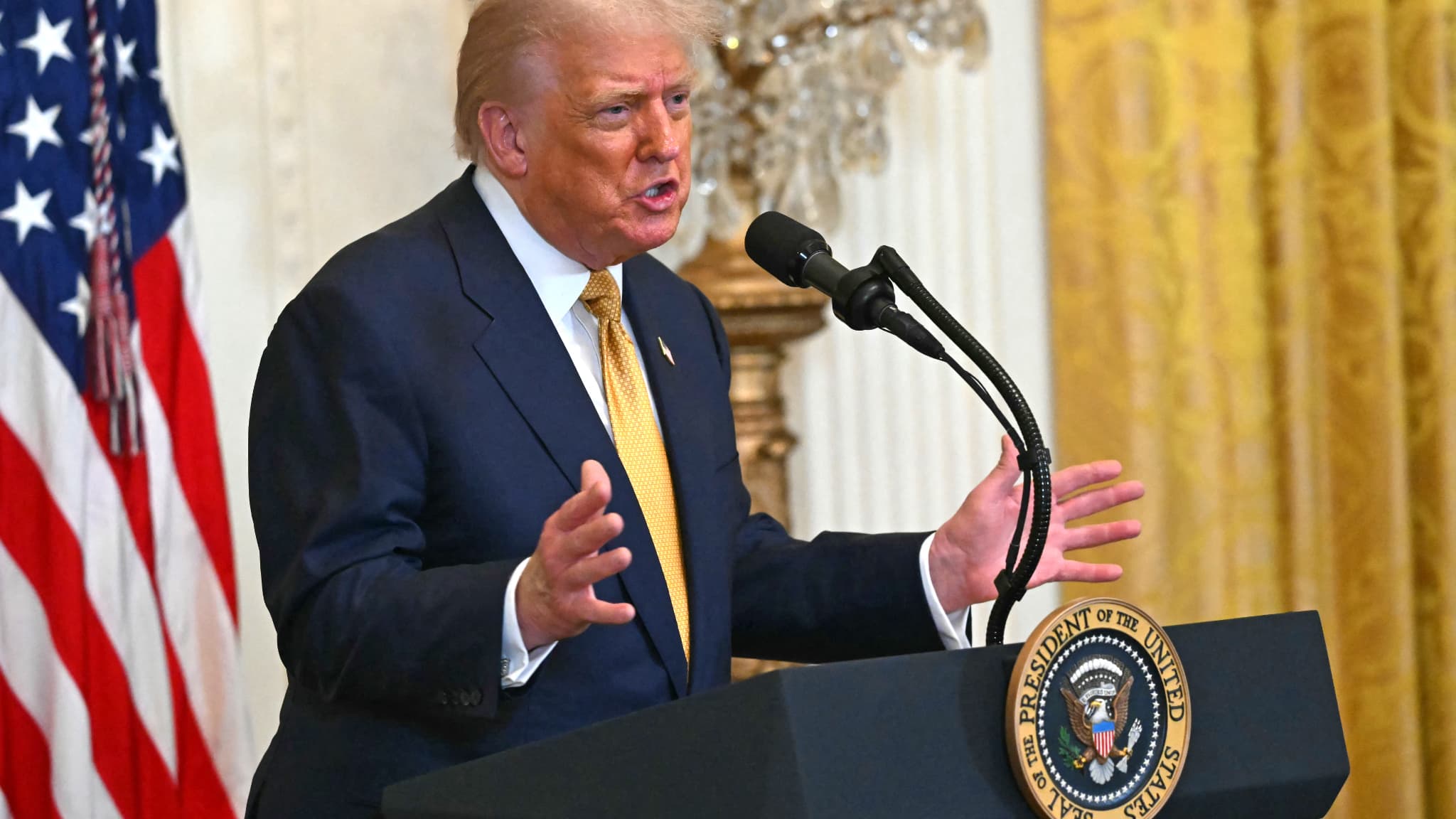
This litigation follows a pattern of recent eleventh-hour legal challenges by Attorney General Todd Blanche, who openly stated, "I work for President Trump." Critics view the Alaska lawsuit as an escalation in broader efforts to influence the midterms, which have included threats to deploy armed agents to polling stations and attempts to seize voting machines. Democratic officials have denounced the action as a desperate maneuver to undermine the electoral process as national polling suggests heavy losses for the Republican party.
Comments (0)
No comments yet. Be the first!