
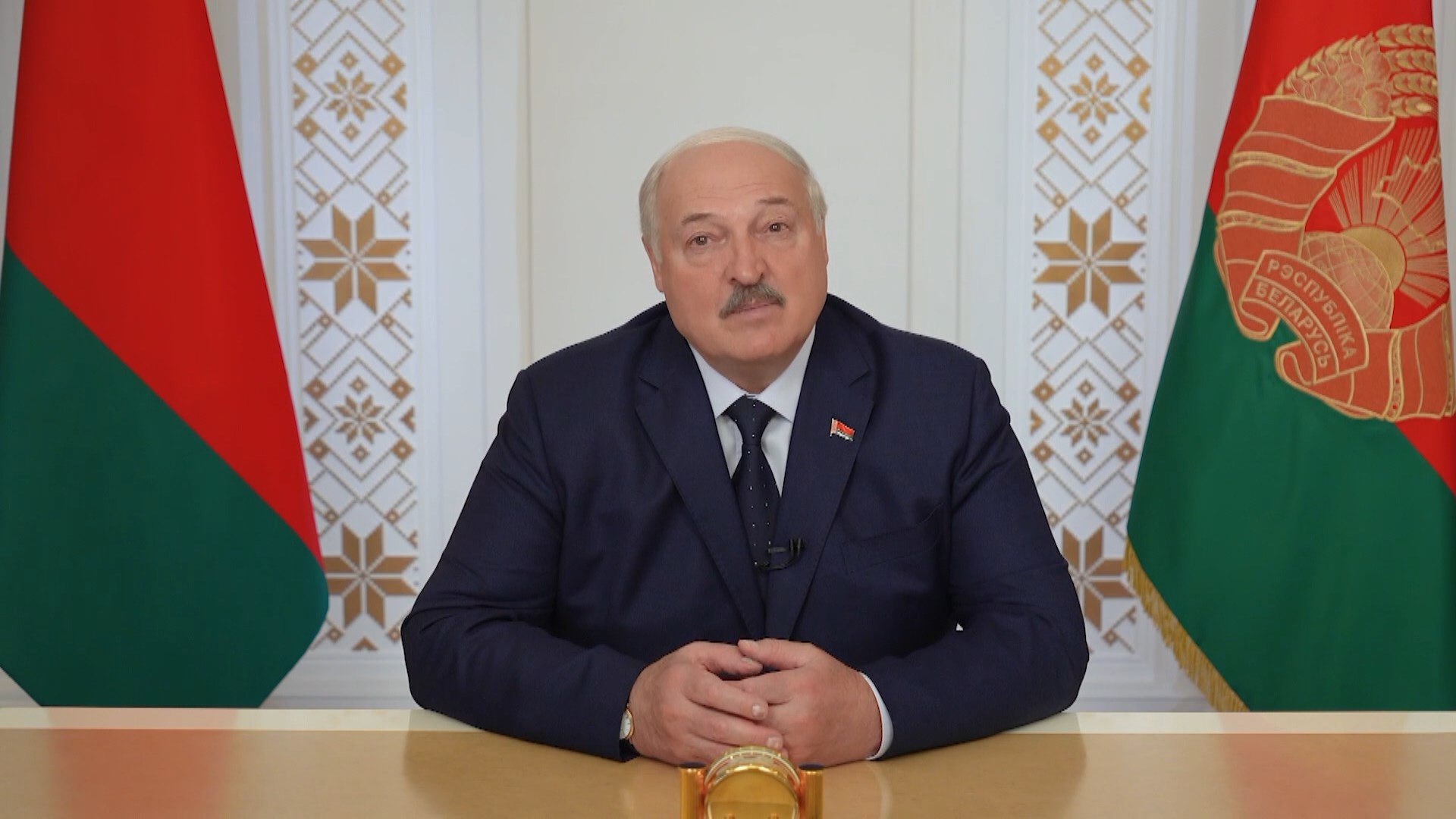
Before the 2020 crackdown, the Belarusian president functioned as a classic populist, maintaining a paternalistic social contract that traded civil liberties for a Soviet-style safety net. Marin, who monitored the country’s human rights landscape for six years, describes his foreign policy as "dictaplomacy." This strategy relied on the illusion of choice, pitting the West against Russia to secure economic support. The tactic functioned until the 2020 mass protests shattered his domestic standing, forcing him to abandon the facade of independence.
Following the demonstrations, the regime entered a cycle of repression that effectively severed all remaining communication channels with Europe. Moscow stepped into this vacuum, replacing resigning state media personnel with Russian propagandists to ensure the narrative remained under Kremlin control. By the time the invasion of Ukraine began, Lukashenko’s position had shifted from a crafty negotiator to a subordinate entity. His reliance on Vladimir Putin is now absolute, as he lacks any viable alternative to the Russian security umbrella. Should the Kremlin’s grip on power falter, his own political survival would likely vanish alongside it, leaving him with little leverage to pivot away from a sinking patron.
Comments (0)
No comments yet. Be the first!